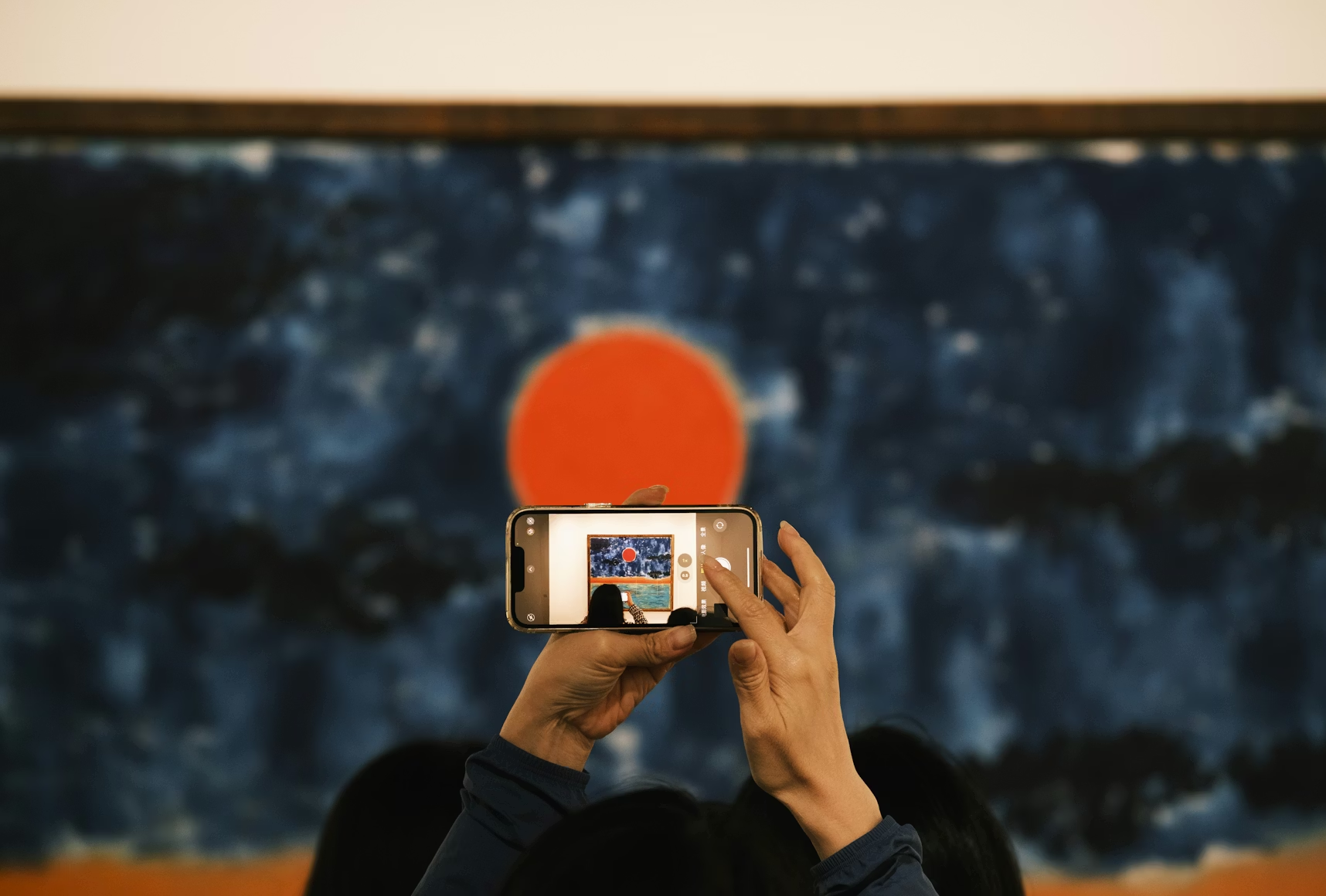
It’s no secret that the art world is becoming increasingly digitized: from viral Instagram artist profiles to online exhibition and gallery spaces (take Partial for example), digital website portfolios and beyond, a lot of promoting and selling artwork in today’s market involves having a strong, professional-grade online presence. While talented artists have gradually been making the transition into a digital world for years now, sometimes displaying your artwork online in a way that feels authentic to how your piece appears in person can pose a challenge. However, there are plenty of tips you can use to ensure that your work is coming across professionally and accurately to your audience.
Let’s start with the basic question; what does a well-documented artwork look like? Here are some strong examples that can be found on Partial:
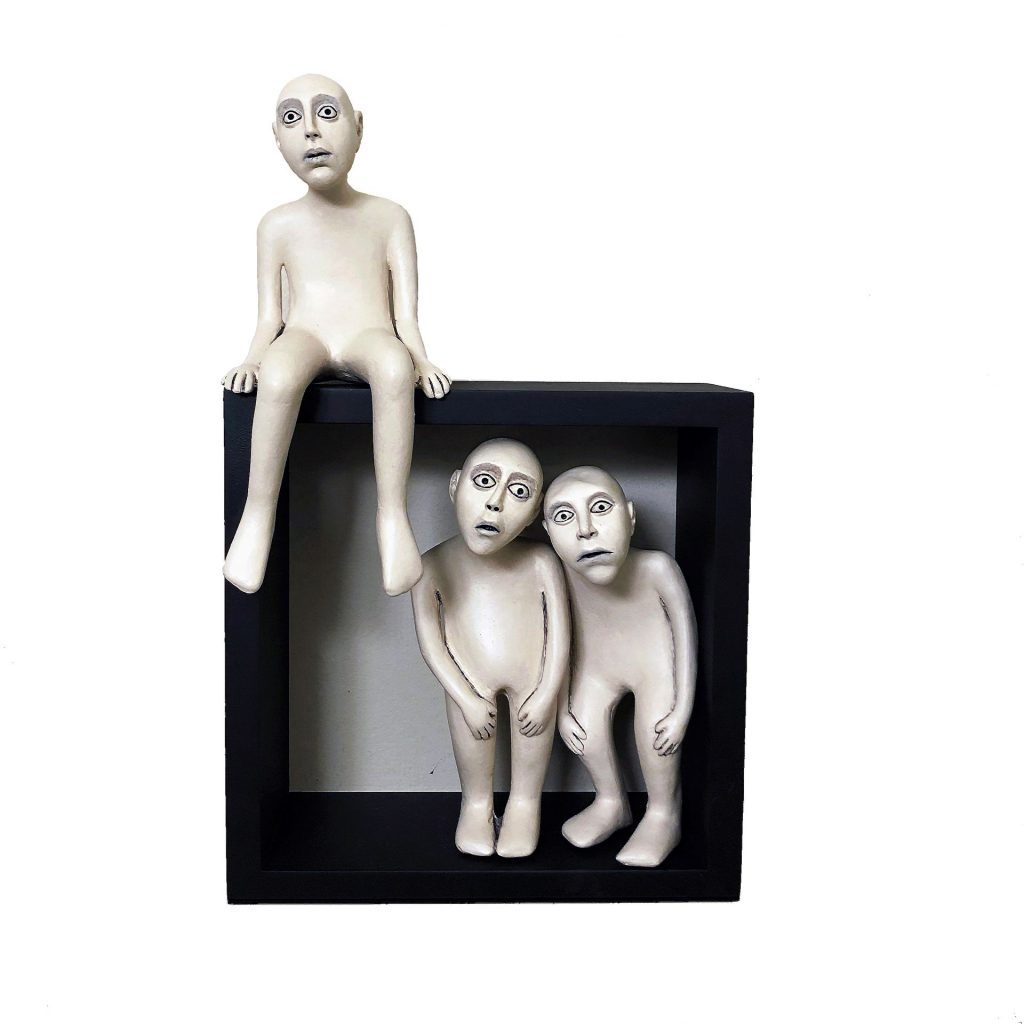
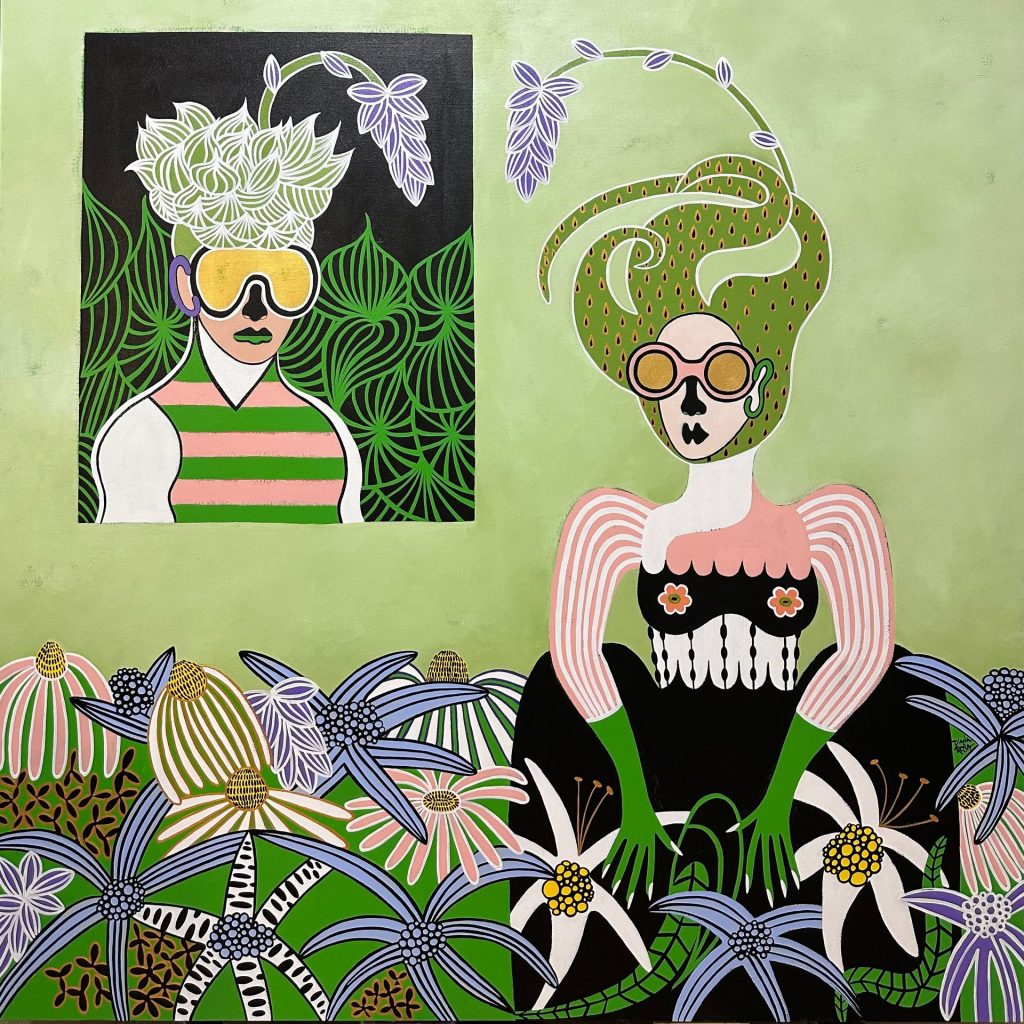
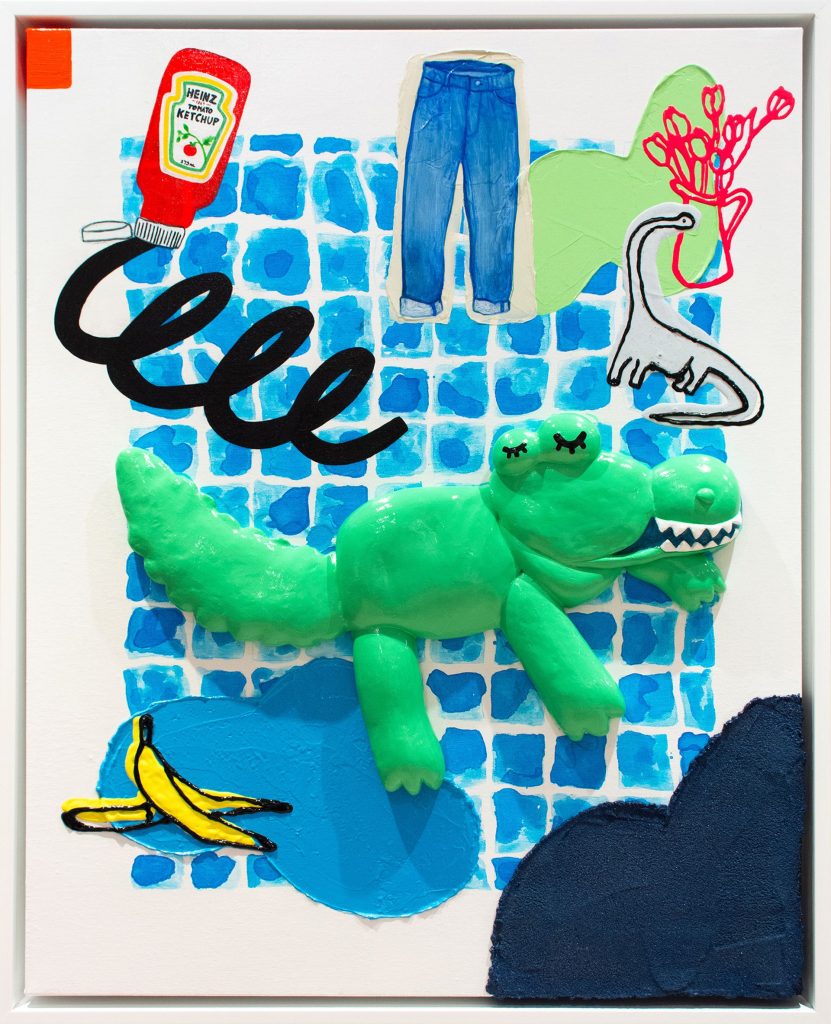
Now, with these photos in mind, here are some tips to ensure that you’re taking and uploading images that display your art in the most polished and professional way:
Choosing the Right Camera
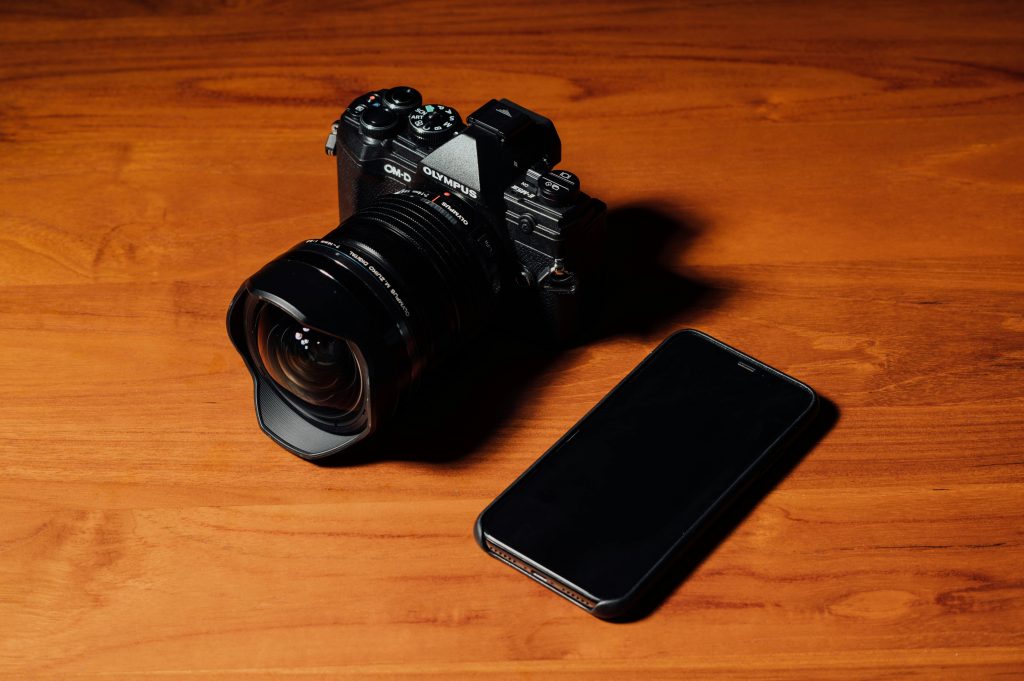
Sometimes the best option is the most convenient- your phone camera! As great as digital cameras are, you don’t always need a professional-grade DSLR or fancy camera equipment to properly photograph your work. If you also use the next few tips, you can ensure that you’re taking good-quality photos that closely reflect the real-life essence of your pieces.
Lighting
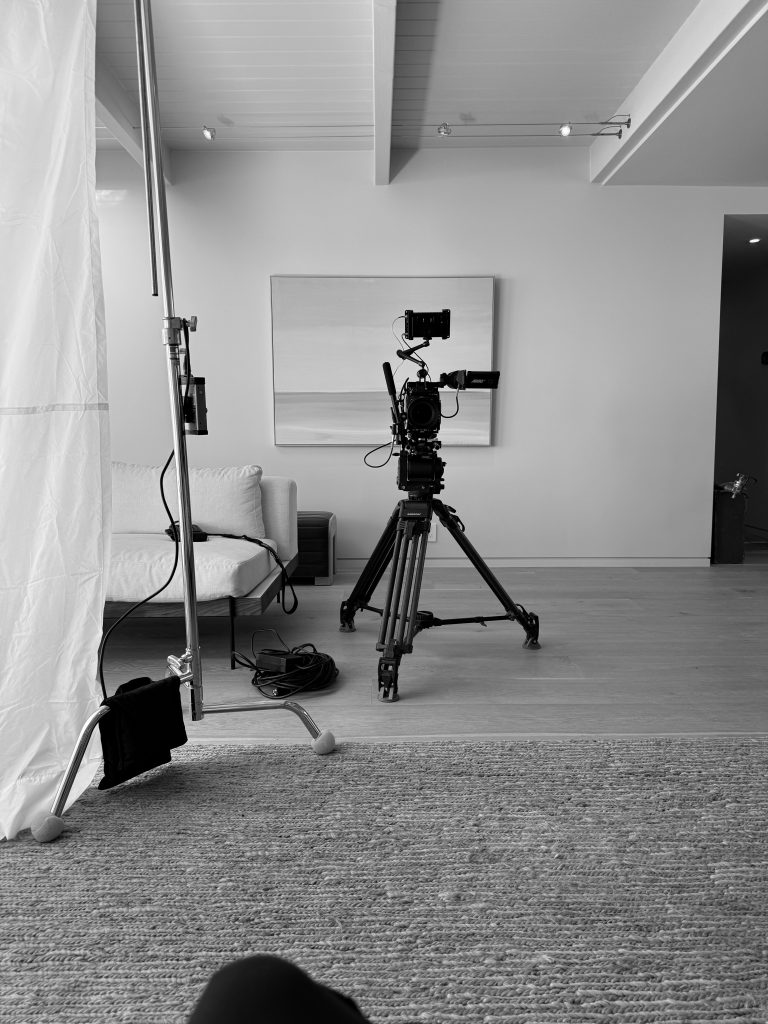
Lighting is EVERYTHING! Consider the best types of lighting to use that will fully and evenly highlight your work (no sun/ spotlight shadows cast across your work, please!) Even and diffuse light will allow your audience to see the work as clearly as you do in a studio or gallery space.
Focal Point
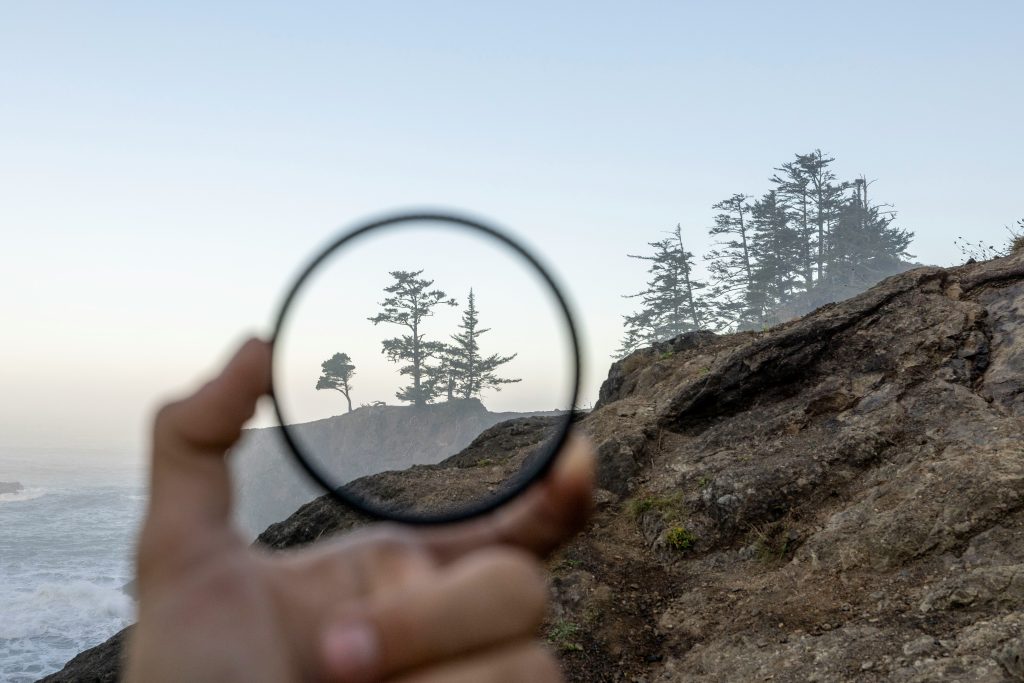
Create a strong focal point to keep the central details of your artwork in sharper focus. Try to focus in on integral details or strong points of emphasis in the work so that these are highlighted within the photos of your art.
Cropping
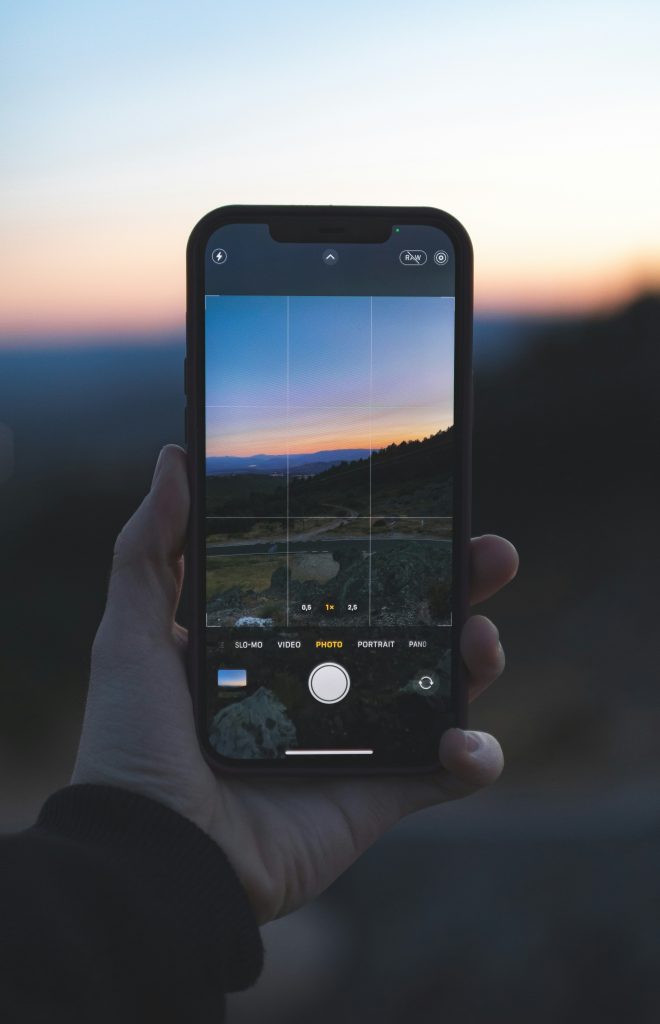
Crop AFTER you’ve taken the photo. No need to zoom in closer, as you want the photo quality to accurately reflect any textures, brushstrokes, or finer details within your work. After you’ve taken some photos, try your best to crop as close to the edges of two-dimensional work as possible. If preferred, leave a small, even white border around the perimeter of the artwork.
Using A Tripod
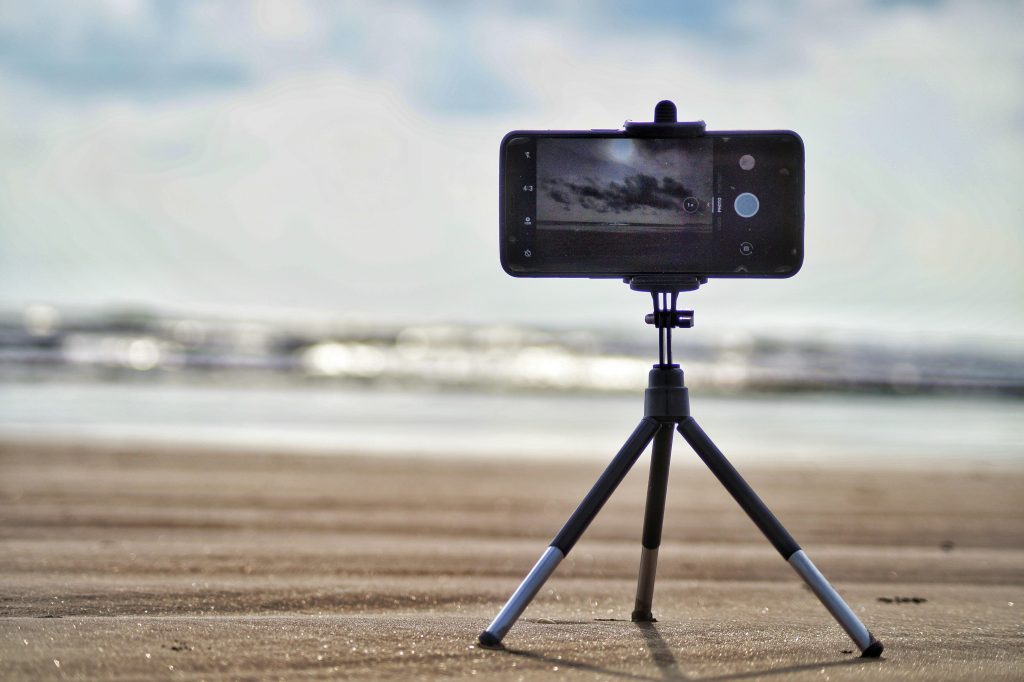
Again, no huge investment needed, as virtually any prop can be used to hold your camera steady in place- even leaning your phone/camera against a solid and steady object will do. This will help you to avoid hand movement and shakes in order to get a clear photo.
Colour Balance and Correction

Be careful not to overdo this! You’ll want to photograph the work so that the colour looks as close to real life as possible. While subtle colour balance and saturation adjustments are highly encouraged, be careful not to adjust too much- it should still look like the original work of art!
Background
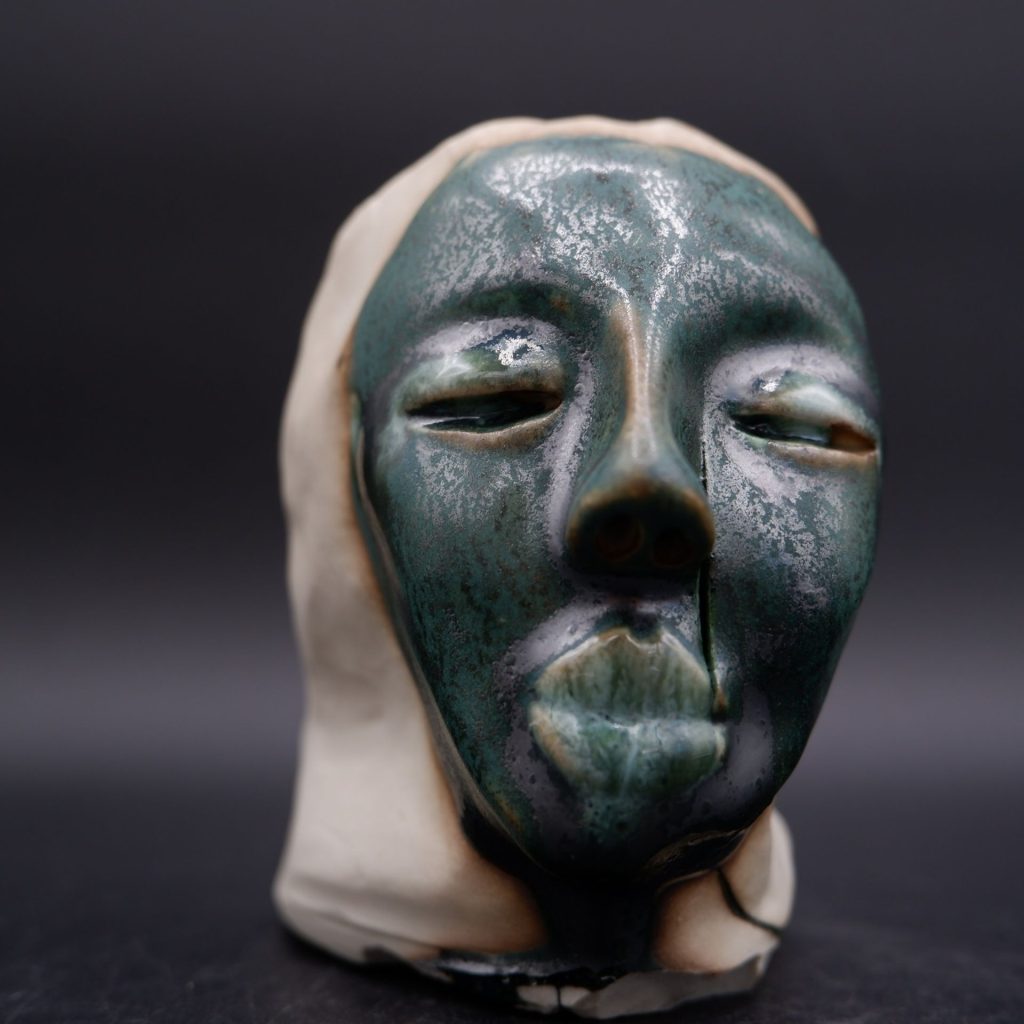
Put some extra thought into your background! Especially in the case of three dimensional artworks, your background gives your audience additional context into your work. A uniform and uncluttered backdrop will ensure the primary focus remains on the details of the work itself, while in-situ gallery shots allow viewers to understand how the piece will appear within/ interact with the space it is being exhibited in.
File Formats
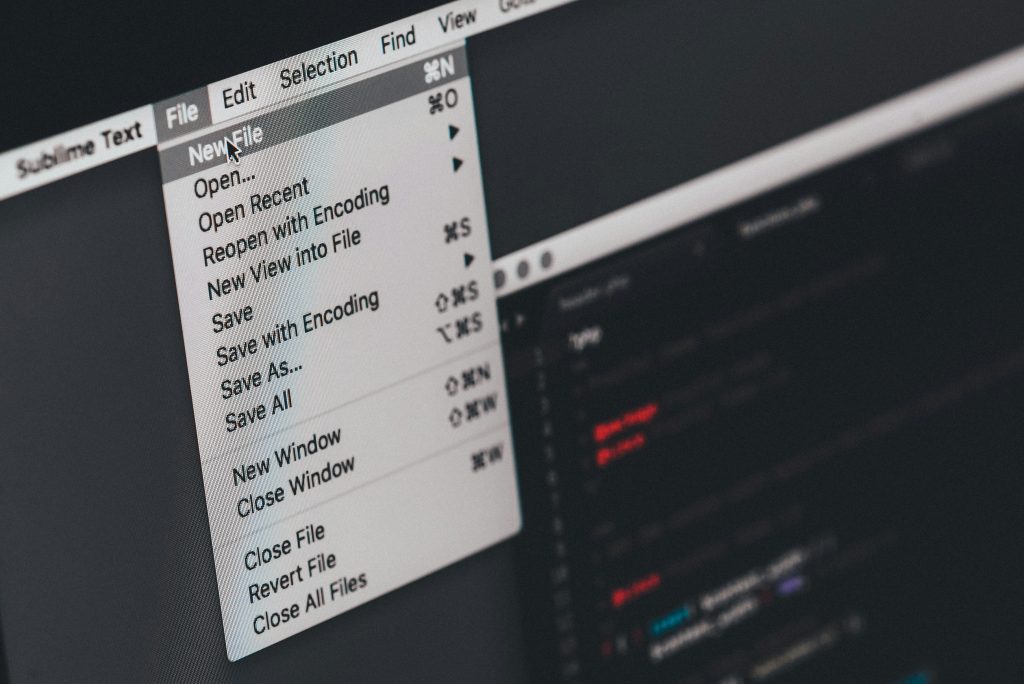
Depending on where you’re uploading and sharing photos of your work, you’ll have to pay attention to the file formats of your images. The most common ones you’ll come across are PNG, JPEG, and PDF. With mobile phones, you’ll typically be capturing JPEGS vs pdf (RAW camera files for advanced photos), One thing to keep in mind is to always pay attention to file size requirements, as some websites and platforms have a limit on the amount of megabytes or gigabytes that can be uploaded. In this case, you can use file size converters such as Adobe Acrobat and Express, as well as free online converters such as https://www.online-convert.com/.
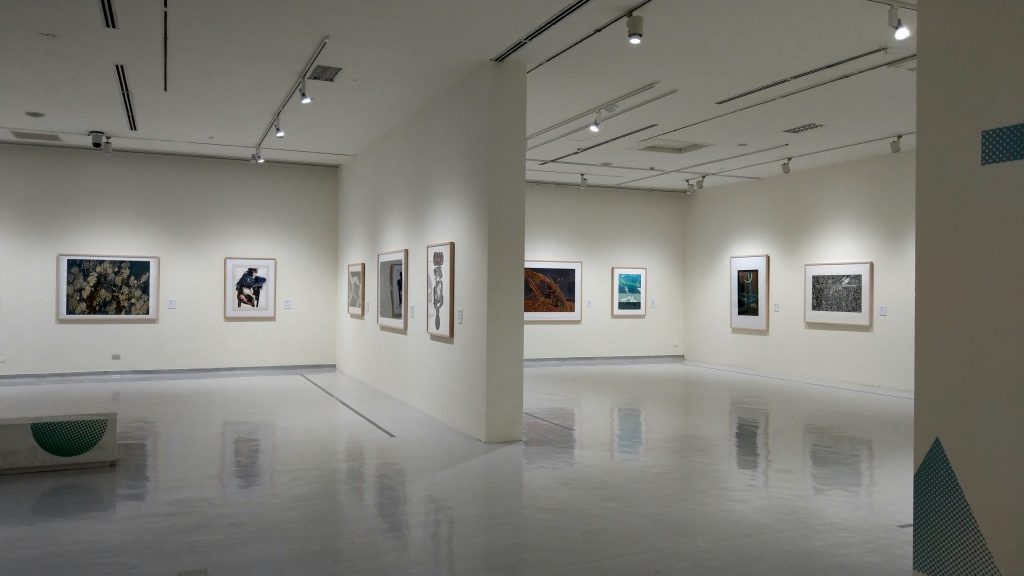
In an increasingly digital art landscape, how you present your work online is just as important as the work itself. By paying attention to documentation, lighting, composition, and consistency, you can create an online presence that truly reflects the essence of your art. While nothing can fully replace the experience of seeing a piece in person, thoughtful presentation can bridge that gap, allowing your audience to connect with your work in a meaningful and authentic way, no matter where they are viewing it from.
If you’re looking for some more inspiration on how to photograph and promote your artwork online, check out more great examples of well-documented work and professional-grade artist profiles on Partial Gallery!
